
Notes From the Field

Origin: noun
- The point or place where something begins, arises, or is derived.
The origin of Origin Rewilding is not a straight forward story, like a seed it was planted in my mind long ago, and there it took root and slowly grew below the surface. Now here we are, a sapling CIC! the time slowly growing did have its twists and turns, but the process has only made the project stronger.
Rewilding Myself
I arrived back in the UK Dec 14th and hit the ground running, but as the festive season began, life slowed to a gentle stroll. I spent Christmas and new year in West Yorkshire, in Marsden. A picturesque pennine village with stone houses, old mills, and a moorland landscape. I spent my time mostly walking the woods, moors, and waterways, and usually ending in a coffee shop or a pub. This slow reflective period was exactly what I needed and in essence is exactly what the project is all about. I walked the land, experienced nature, and admired its wildlife - I rewilded myself!
The sparse clusters of trees along the river and canal were abundant with song birds, the waterways were home to mallard, geese and the occasional goosander. And kingfishers flitted between both worlds. Open moorland was the hunting ground for kestrels, buzzards, and their nighttime counterparts tawny and barn owls. But my favourite area to explore was a section of native woodland growing on the sloped edges around Blackley reservoir. The woodland stands not much larger than an acre but is home to oak, birch, ash, and holly. This magical place was my connection to the land and I explored it at length. I discovered, deer, badger, squirrel, and other small mammals. I tracked, stalked and watched for no other reason than the feeling of calm completeness.
Still, there were a few quiet wins over the festive season. We established a bank account, reached out to potential funders, began growing a network, and researched a lot! On social media we started our who’s who of British wildlife posts, which have now become a collectable set of postcards and the first product in our shop.
What’s Next?
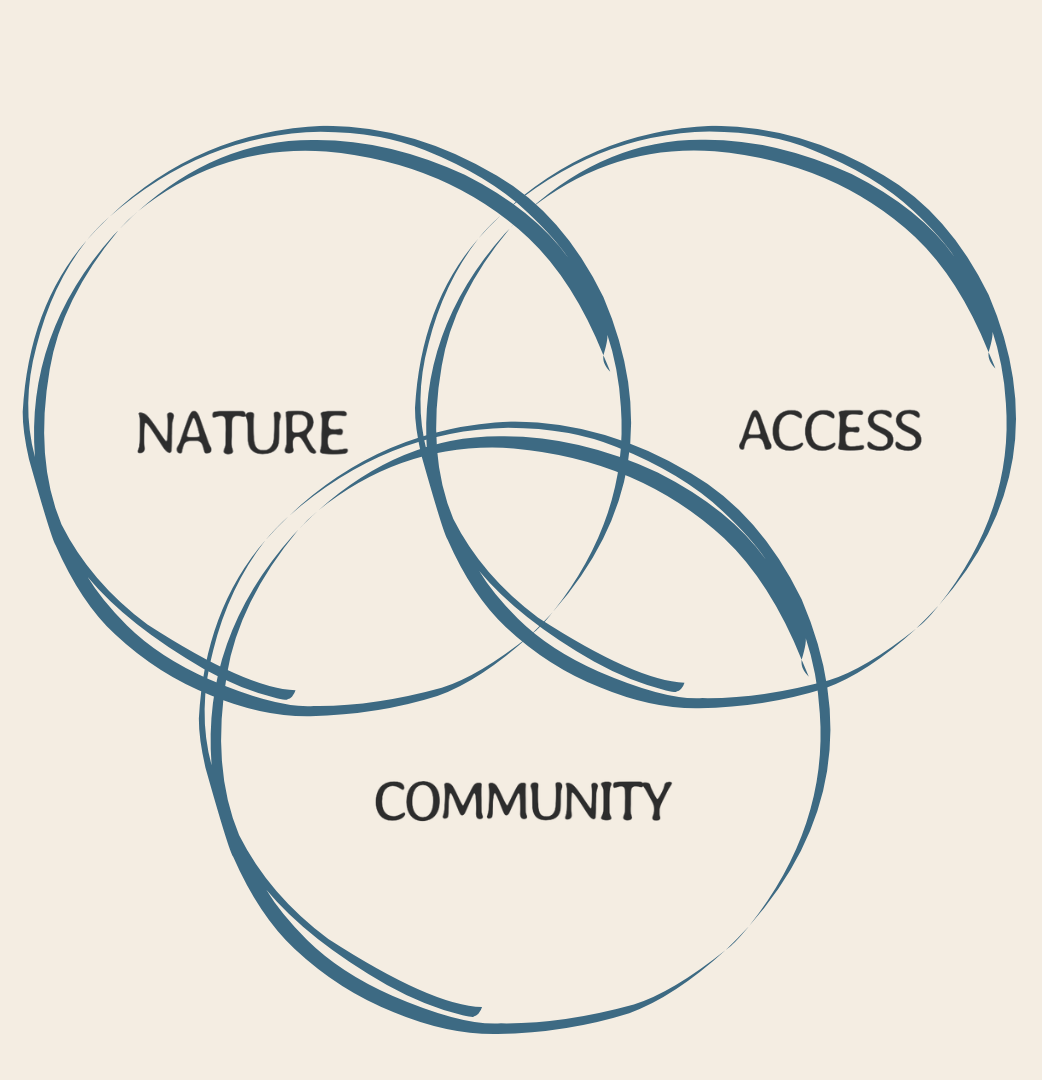
January is all about location-location-location! This month I’ll be exploring potential areas to start running experiences. I have given myself a big area to search, looking at sites in the North of England, from the East Coast to Yorkshire. Exploring my home region (I'm from Lancashire originally) is a nice way to reacquaint myself with the national parks and wild areas of the north. This includes Englands oldest national park, the Peak District and also the most mountainous region the Lake District. The important thing is to find those sweet spots that can sustain experiences, these areas need to have nature, access, and community.
Get Outside!
As the year starts many of us are trying to find balance, and at Origin Rewilding we think balance starts with good grounding. So our advice for you as the year begins is, get outside. Whether you're an avid hiker or new to the outdoors, January is a great time to start as we mean to go on. So here are our top tips for getting outside this month.
Start small - You don’t have to climb a mountain, just spend 10 minutes outside. A brisk walk in the winter air (and snow) can help blow off the cobwebs.
Its cold so wrap up warm - This can be barrier for some, but if you haven’t got warm clothing now is a great time to visit clothing banks and charity shops. And if you have spare outdoor clothing now is that time to donate it to those that are in need. Kitsquad is an amazing resource for outdoor gear.
Join a local group - We have a feeling 2026 is going to be a big year for outdoor groups. walking, birding, forest bathing, and many more. A quick internet search will usually point you in the right direction, alternatively you can check local notice boards for groups some of which are free. And if you don’t find anything in your area maybe this is your sign to start your own. Or simply ask a friend or family member to join you.
Attract and help wildlife find safe spaces - Observing wildlife is a great way to reconnect with nature and relax our minds and bodies, and you don’t have to go far. Helping wildlife through the winter doesn’t require specialist knowledge or large spaces. Simple steps like providing fresh water, leaving piles of leaves or logs undisturbed, and avoiding unnecessary tidying can create valuable shelter when conditions are harsh.
Take advantage of the long nights - At this stage in the winter the short days may have began to take their toll, but we can use this to our advantage. Dark evenings means the moon and starts are visible longer, not to mention cosmic events like meteor showers. So make up a flask of hot chocolate grab some chairs or a blanket and enjoy one of natures most spectacular shows. - extra tip listen out for nocturnal creatures like owls and foxes.

Rewilding Recommendations
Book
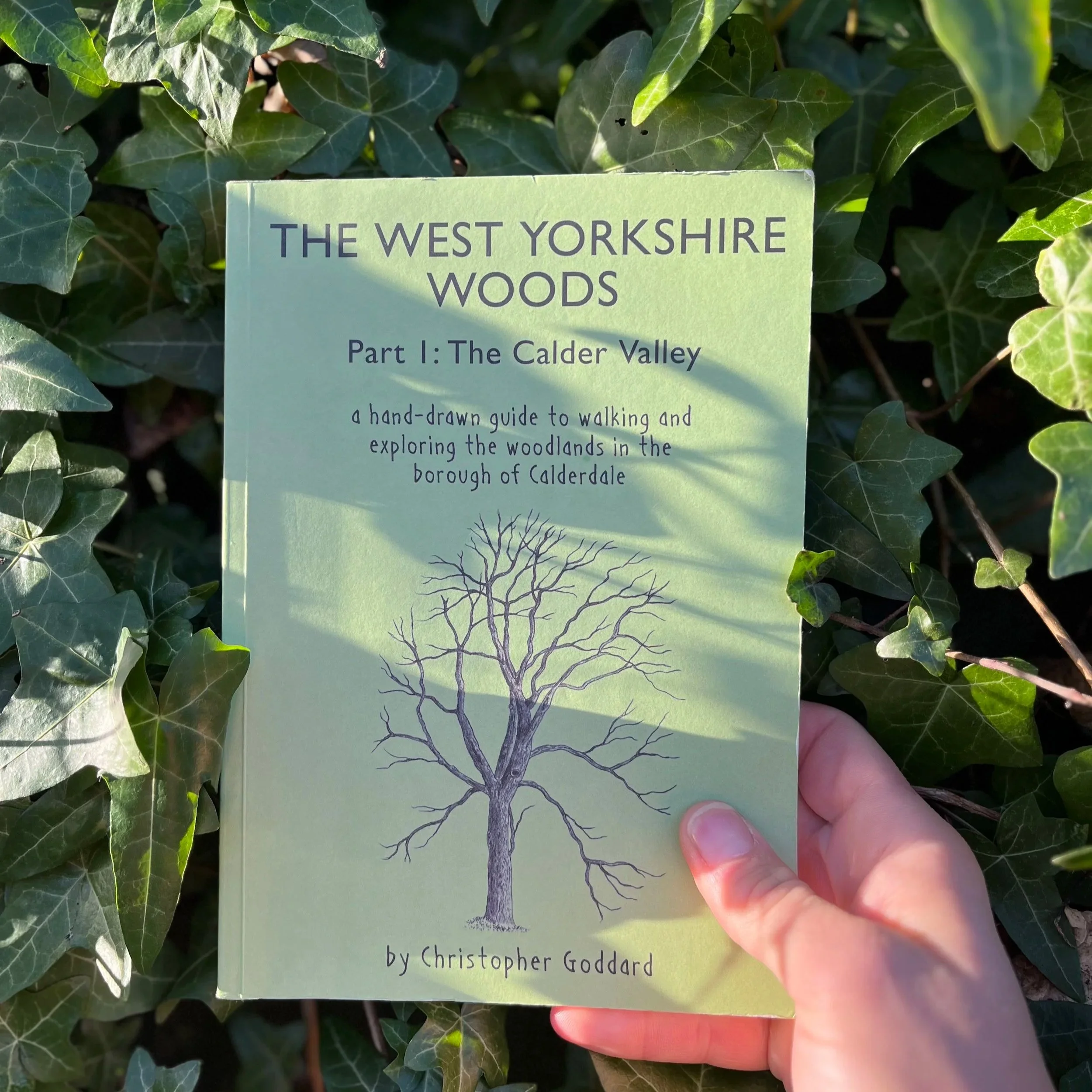
The west Yorkshire Woods - p1 The Calder Valley - By Christopher Goddard
Rooted in local woodland knowledge and drawn with care, this book celebrates the overlooked edges of West Yorkshire. It’s a reminder that meaningful encounters with nature don’t require grand journeys, just time, attention, and a willingness to walk slowly through familiar ground.
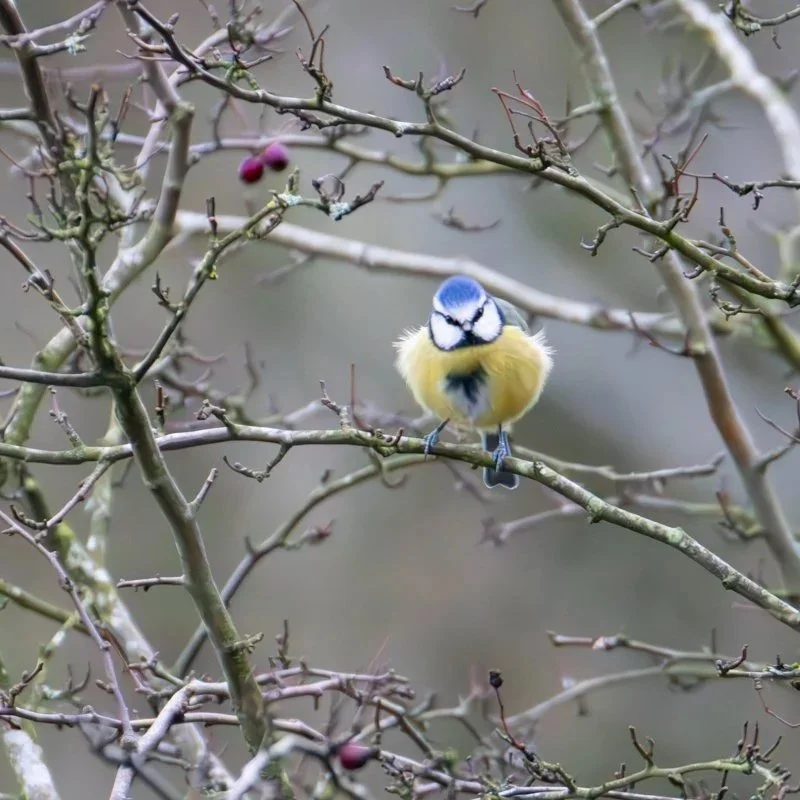
The Big Garden Birdwatch 23-25 January 2026
Taking place each January, the Big Garden Birdwatch is a simple invitation to stop, watch, and take notice of the birds sharing our everyday spaces. Spending just an hour observing what’s around us helps build awareness, contributes to long-term conservation data, and reminds us that meaningful connection with wildlife often starts close to home.

Event
Kit
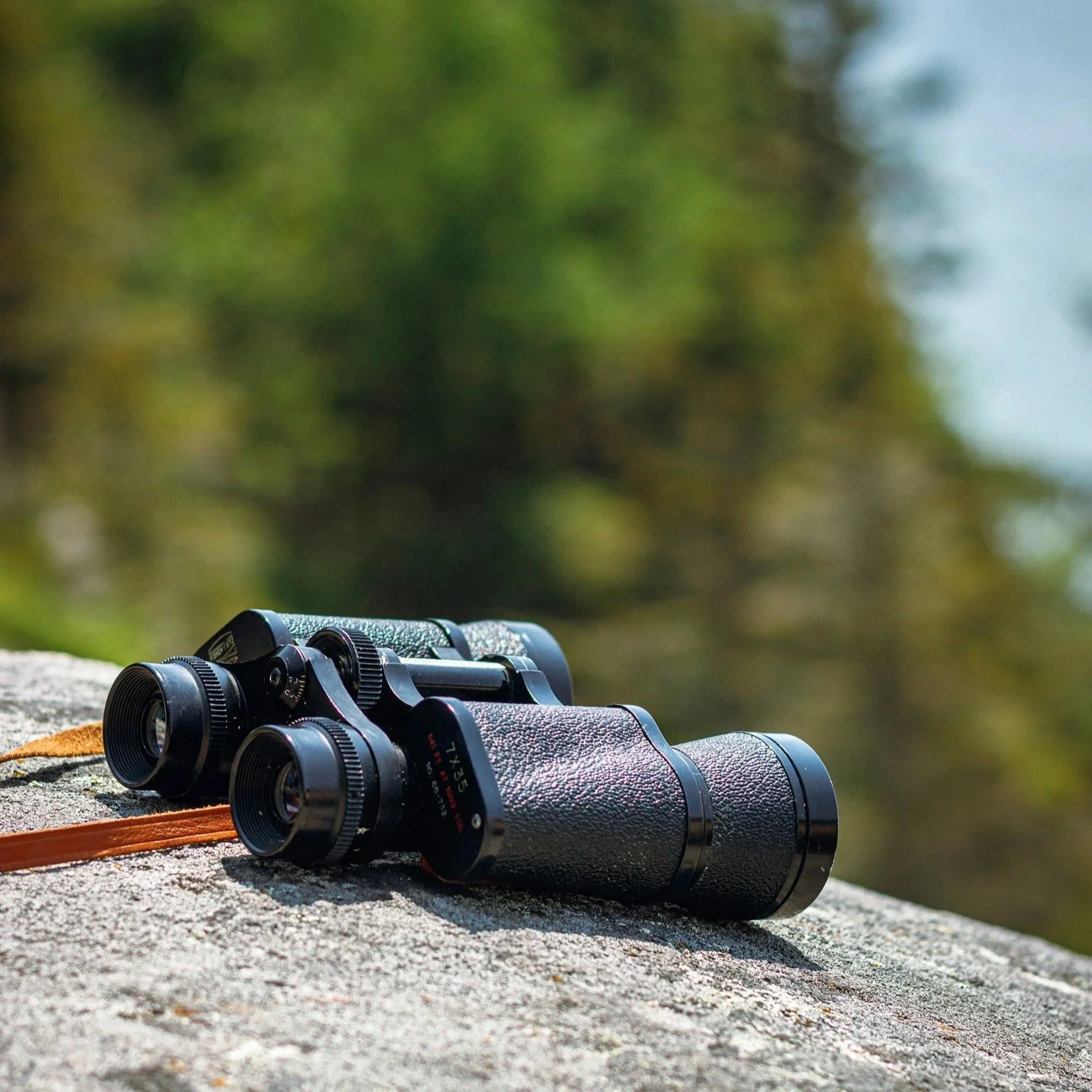
Binoculars or Monocular
Whether it’s the Big Garden Birdwatch or a quiet walk close to home, a simple pair of binoculars, or even a compact monocular can completely change how we notice birds and other wildlife. They encourage slowing down, spending longer in one place, and paying closer attention to detail, turning everyday sightings into moments of connection rather than passing glances.